

The Hidden Developmental Risks of Screen Time in Children Ages 2–5
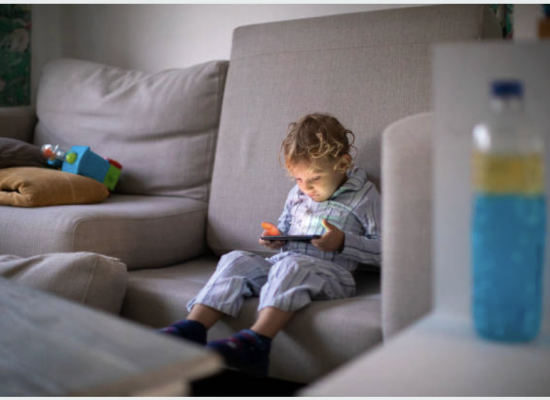
Families across Surrey, South Surrey, White Rock, Burnaby, Langley, Delta, and North Vancouver are navigating a world where screens are woven into daily routines. Tablets, YouTube, educational apps, children’s shows, and phones can feel like a harmless way to keep kids entertained, especially during busy moments of parenting. Yet research is increasingly clear: excessive screen time during early childhood carries real developmental risks that affect language, attention, emotional regulation, behaviour, and sleep.
At My Empower Therapy, our interdisciplinary team sees these trends daily. Many families seek support for delayed speech, sensory overload, short attention span, emotional outbursts, or rigid behaviour—often without realizing that high screen exposure is contributing to or amplifying these concerns. This article outlines what the science shows, cites peer-reviewed research, and offers realistic, family-friendly ways to create healthier routines.
⸻
Why Early Childhood Is Extra Sensitive to Screen Exposure
Ages two to five represent a critical window for brain growth. Neural pathways involved in speech, social understanding, emotional regulation, executive functioning, and motor development are forming at extraordinary speed.
These pathways strengthen through:
• Face-to-face interactions
• Play
• Sensory exploration
• Imitation
• Movement
• Problem solving
• Emotional co-regulation with adults
Screens interrupt many of these processes when used excessively. They replace interaction with passive intake, overstimulate developing neural circuits, and shift the child’s sensory and behavioural baseline.
For this reason, developmental clinicians—including our team—recommend fewer than 30 minutes of screen time per day for children ages 2–5, and ideally with an adult present to guide language and understanding.
⸻
What the Research Shows: Peer-Reviewed Evidence
1. MRI Research Linking Screen Time to Brain Wiring (Hutton et al., 2019 – JAMA Pediatrics)
A peer-reviewed study published in JAMA Pediatrics examined the brains of preschool children using advanced MRI techniques. Children with higher daily screen exposure showed:
• Lower white-matter integrity in regions responsible for language, early literacy, and executive functioning
• Reduced expressive and receptive language scores
• Slower processing speed
White matter is the communication network of the brain. When its development is disrupted, children may struggle with real-time conversation, problem solving, self-regulation, and academic readiness. The authors emphasized that excessive screen use displaces the interactive, back-and-forth communication that builds healthy neural pathways in early childhood.
2. Longitudinal Study on Infant Screen Exposure and Later Attention Problems (Madigan et al., 2019 – JAMA Pediatrics)
In another peer-reviewed study, researchers followed children from infancy to later childhood. Higher screen exposure at 12 months predicted:
• More attention problems at ages 4 and 5
• Weaker executive functioning, including impulse control
• Reduced cognitive flexibility
• Poorer behavioural regulation
These effects remained even after accounting for sleep, parental education, and socioeconomic factors.
The message is clear: early and heavy screen exposure predicts long-term challenges in focus, behaviour, and learning.
⸻
Negative Effects of Screen Time We Commonly See Across the Lower Mainland
Our clinics in Surrey, South Surrey, White Rock, Delta, Burnaby, Langley, and North Vancouver see consistent clinical patterns among children with elevated screen exposure.
1. Delayed Speech and Language Development
Children learn speech through real interaction. Screens reduce the number of conversational turns, which directly affects vocabulary growth, sentence formation, articulation, and social communication. Many children begin scripting lines from shows instead of generating meaningful language.
2. Shorter Attention Span and Difficulty Sustaining Tasks
Fast-paced digital content overstimulates the nervous system. Children conditioned to rapid visual stimulation often find real-world tasks “too slow” and struggle to attend to reading, play, therapy tasks, or instructions.
3. Emotional Dysregulation and Meltdowns
Screens become a primary soothing tool.
When removed, children often display:
• Rigidity
• Tantrums
• Aggression
• Overwhelm
• Impulsivity
This is not defiance; it reflects an underdeveloped regulation system.
4. Sleep Disruption and Overstimulation
Blue light suppresses melatonin.
Even short evening screen use can lead to:
• Late bedtimes
• Difficulty falling asleep
• Night waking
• More daytime behavioural problems
5. Reduced Imagination, Play Skills, and Social Development
Play builds cognitive and emotional strength. Children who rely heavily on screens often show:
• Limited pretend play
• Reduced creativity
• Difficulty engaging peers
• Lower frustration tolerance
• Avoidance of interactive play
6. Sensory Overload and Behavioural Escalation
Fast visuals and dopamine-driven content can heighten arousal. This leads to hyperactivity, impulsivity, irritability, and difficulty transitioning between activities.
⸻
Why “How Screens Are Used” Matters as Much as the Daily Time Limit
Not all screen use is equal.
Higher developmental risk occurs when:
• Screens are introduced before age 2
• Children watch alone
• Autoplay and algorithm-driven videos are used
• Screens are part of meals or bedtime
• There is “background TV” always on
• Screens are used for emotional calming
• Parents are distracted by their own devices during child routines
Even small adjustments to these patterns can significantly improve speech, behaviour, and sleep.
⸻
Practical Strategies to Reduce Screen Time in a Busy Household
Our goal is not perfection—it’s balance. Families across the Lower Mainland benefit most from predictable routines and simple, sustainable changes.
1. Screen-Free Zones That Make a Big Impact
Start with four high-yield areas:
1.First hour after waking
2.All mealtimes
3.Short car rides
4.The hour before bedtime
These periods are essential for bonding, language, and regulation.
2. Replace Screens With Sensory-Rich Alternatives
For movement-driven children:
• Swings
• Scooters or balance bikes
• Trampolines
• Bubbles
• Obstacle courses
For calming needs:
• Weighted lap pads
• Stress balls
• Play-Doh, kinetic sand, or stickers
• Quiet books
• Deep pressure activities like blanket burritos
Replacing—not just removing—screens helps the child succeed.
3. Co-Viewing and Narration When Screens Are Used
This reduces passive watching and increases language learning.
Try:
• Labeling what is happening
• Pausing to ask simple questions
• Connecting content to real life
• Describing emotions shown on screen
4. Support Smoother Transitions Off Screens
Many meltdowns happen due to sudden removal.
Use:
• Timers
• Visual schedules
• Countdowns
• A consistent phrase: “Show is done. Now it’s time for….”
• Pairing the transition with a preferred sensory activity
⸻
How My Empower Therapy Supports Healthy Development Across the Lower Mainland
Families across Surrey, South Surrey, White Rock, Burnaby, Langley, Delta, and North Vancouver rely on My Empower Therapy for comprehensive, evidence-based assessment and intervention.
Our team includes:
• Speech-Language Pathologists
• Behaviour Therapists and Clinical Counsellors
• Occupational Therapists
• Social Communication Specialists
• Parent Coaches
We provide:
• Developmental assessments
• Screen-time reduction plans tailored for neurodivergent children
• Strategies for improving speech, behaviour, and emotional regulation
• Collaborative family coaching
• Sensory and motor development programs
• Home-friendly routines that reduce reliance on screens
• Grandparent and caregiver training
Our approach is grounded in neuroscience, child development, and practical family systems.
⸻
For Parents Across Surrey, Burnaby, Langley, Delta, and Beyond: Early Changes Make a Big Difference
Screens are part of modern life. The goal is not elimination—it’s balance. The right boundaries, paired with meaningful play and interaction, allow children to thrive emotionally, socially, and cognitively.
If you are noticing changes in your child’s speech, attention, mood, sleep, or ability to self-regulate, our team can help determine whether screen exposure is contributing and provide a step-by-step plan to support healthier development.
SOURCES :
Association Between Screen Time and Child Development (Madigan et al., 2019, JAMA Pediatrics
Screen-time is associated with inattention problems in preschoolers: results from the CHILD birth cohort study (Tamana et al., 2019, PLOS ONE)
Association of Screen Time Exposure at Age 1 Year and Developmental Delay at Ages 2 and 4 Years (Takahashi et al., 2023, JAMA Pediatrics)
The Impact of Screen-based Media Use on Attention in Early Childhood: A Systematic Review (Jourdren et al., 2023)